Occhio Riflesso takes back the nature of the image and the work of art to its ontological autonomy, regardless of the historical-expositive context and the audience. The project acts, in general, as an approach to representation of reality beyond the scenic space of the exhibition, today represented by the white-cube. None of these works then is created on the basis of a spatial or relational reference with the contemporary exhibition context and the audience. The scene and the context of the exhibitions are constructed for the work and not vice versa.

The aesthetic and cognitive categories of the sublime and the picturesque are expressive tools through which the landscape is understood as a simulacrum of an aesthetic-cognitive experience which unravels in the representation. Negative and positive, exterior and interior, are here presented as qualities related to the categories of the sublime and the picturesque, but also as further qualities of the relation between the work of art and its space.
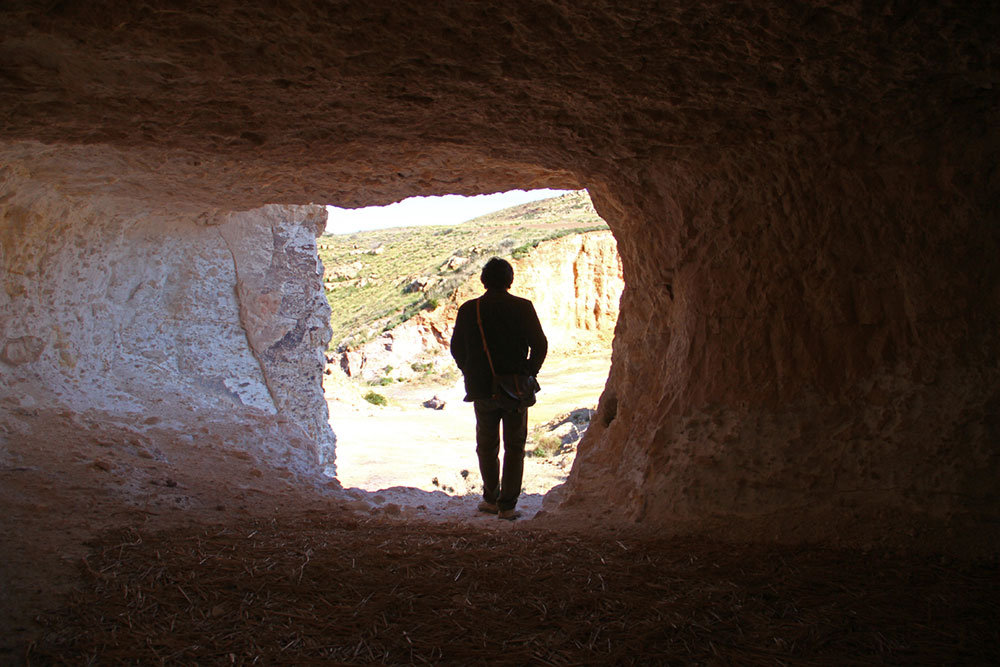
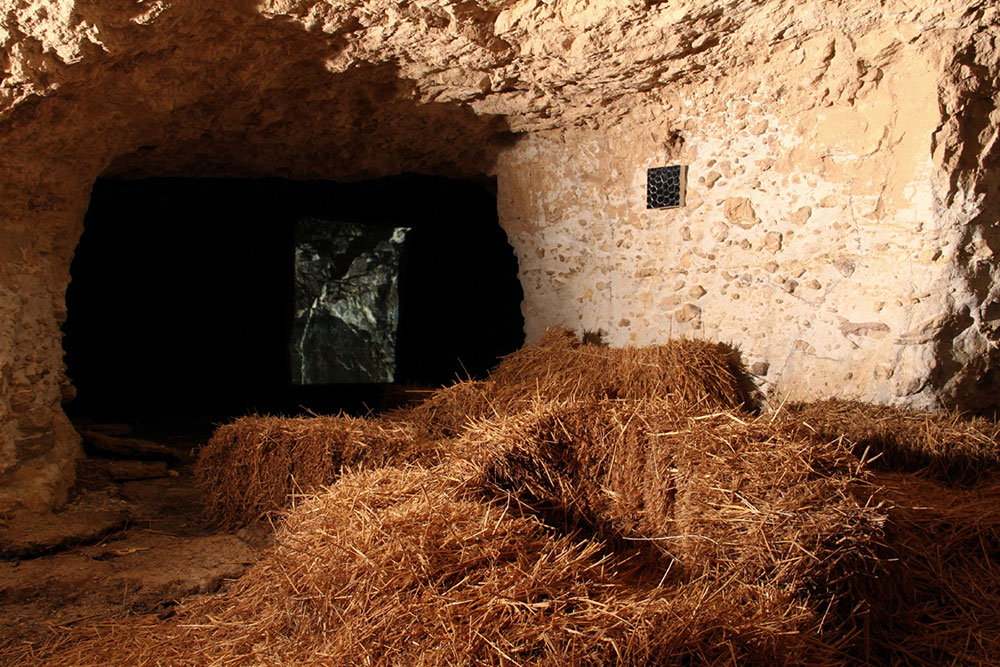
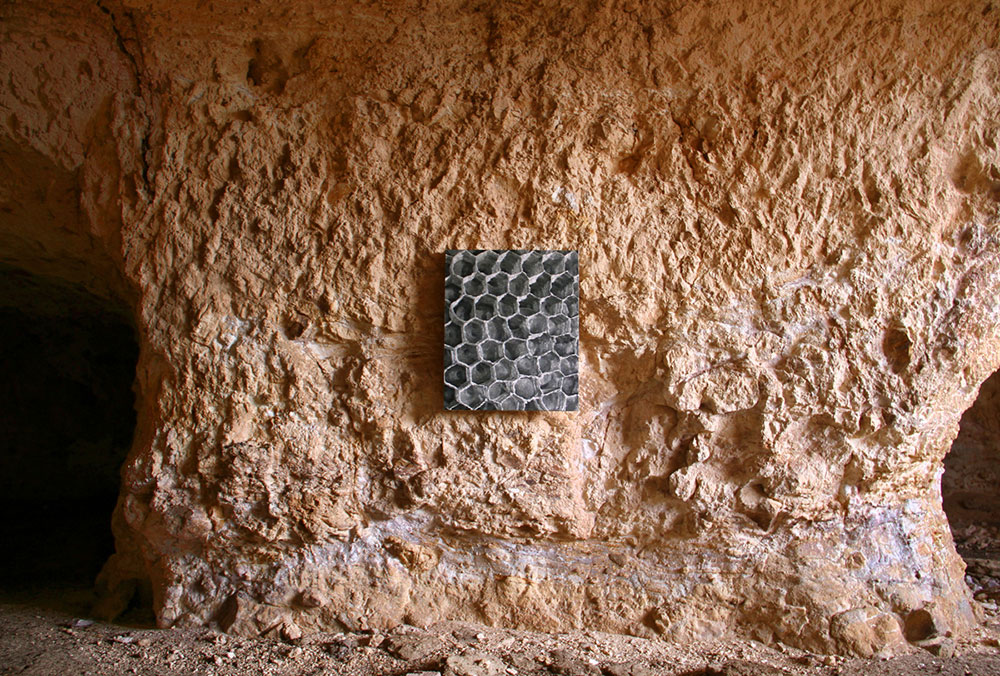
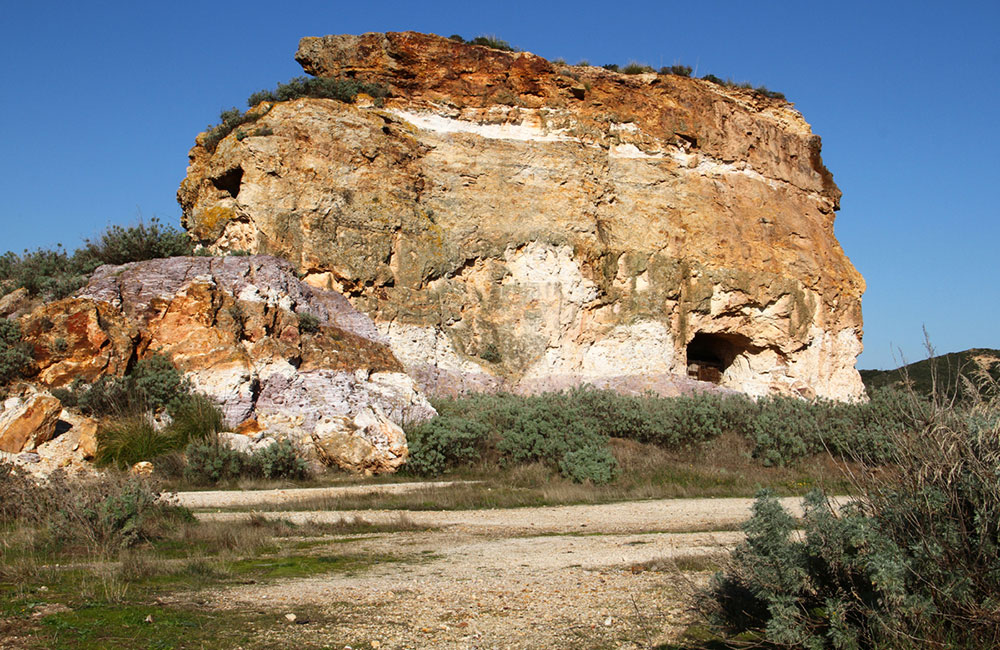
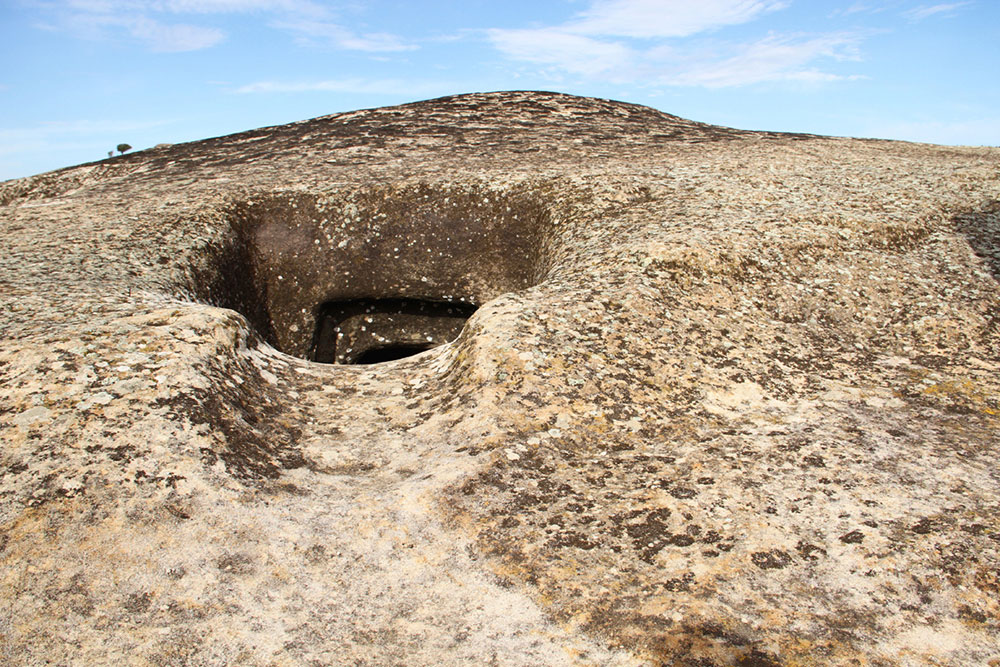
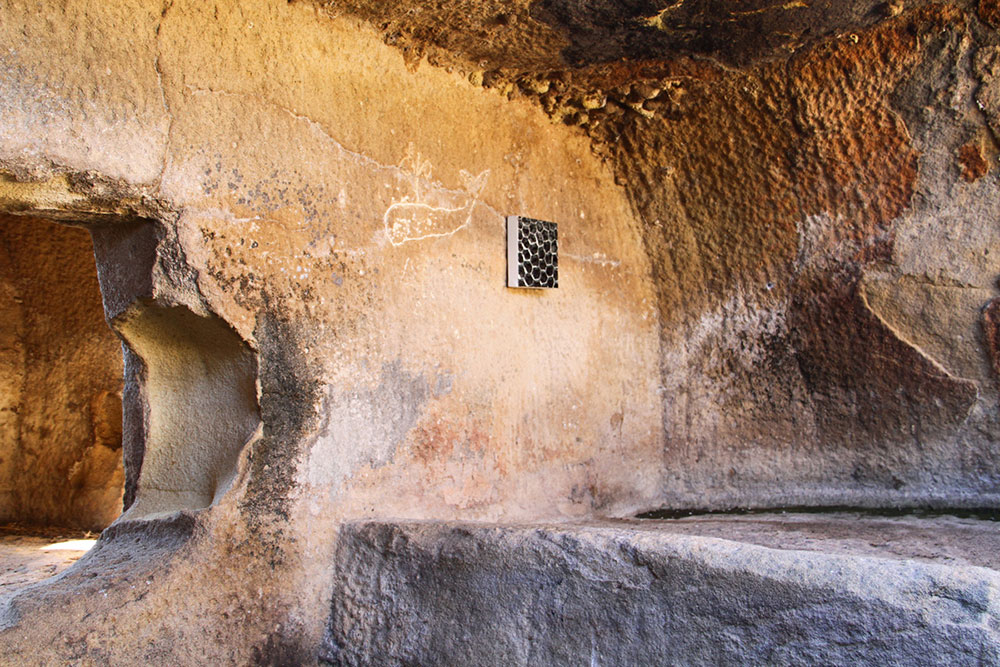
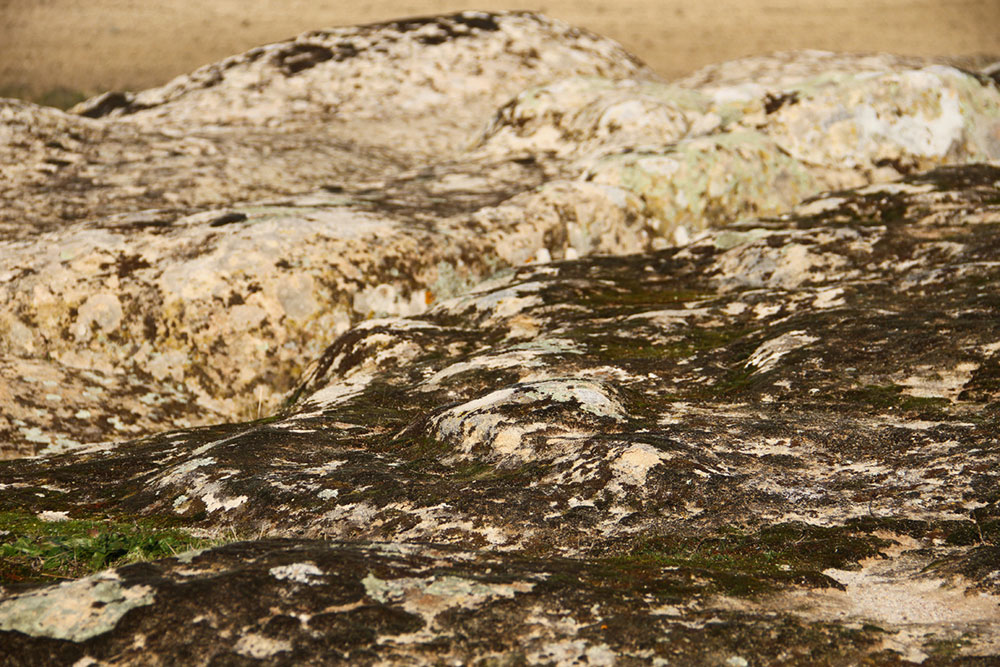
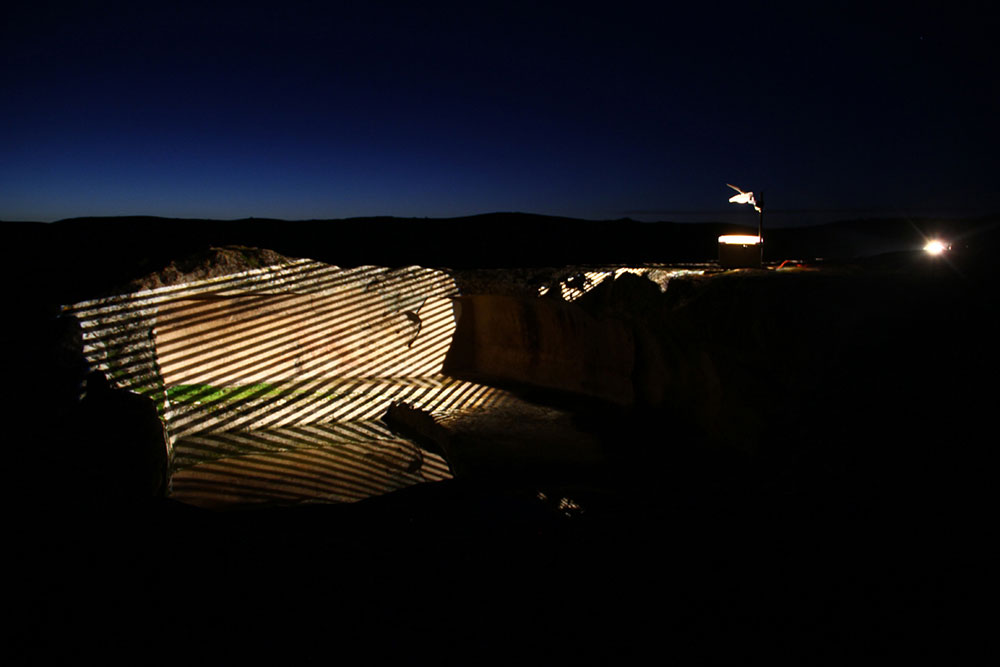
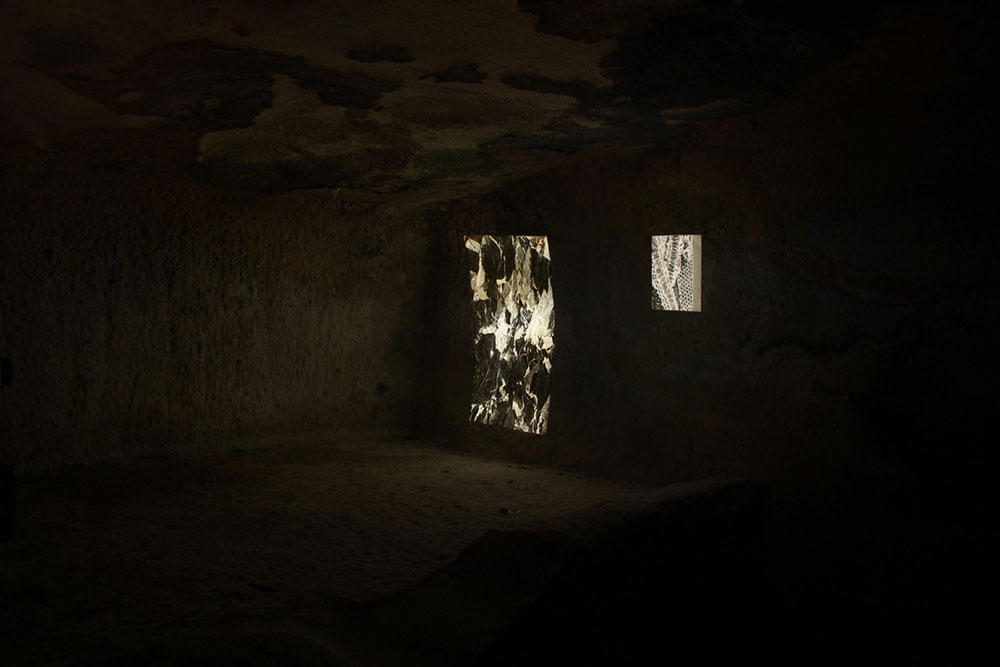
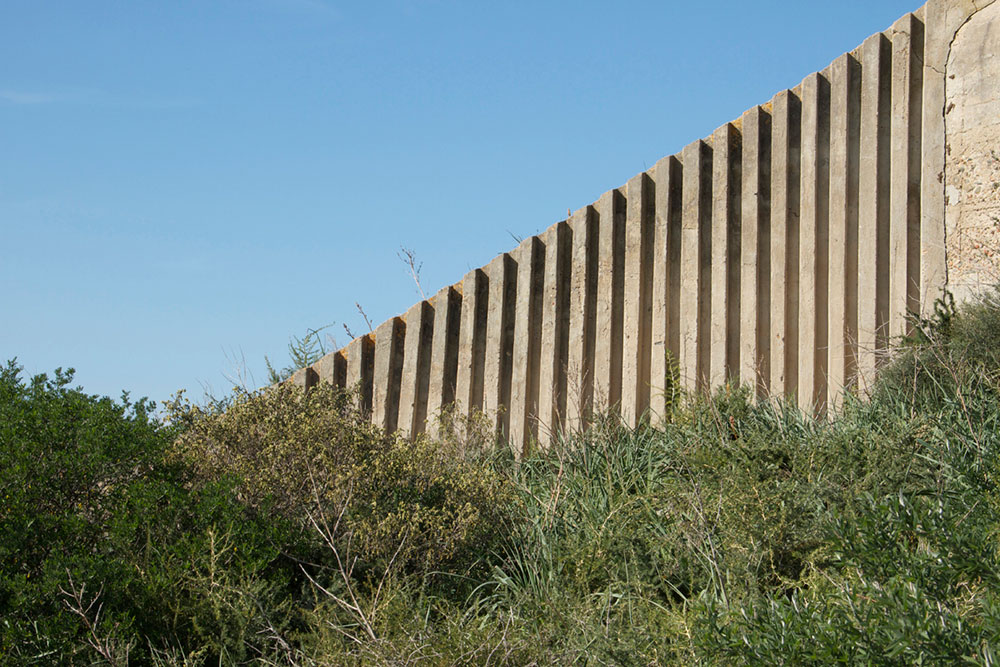
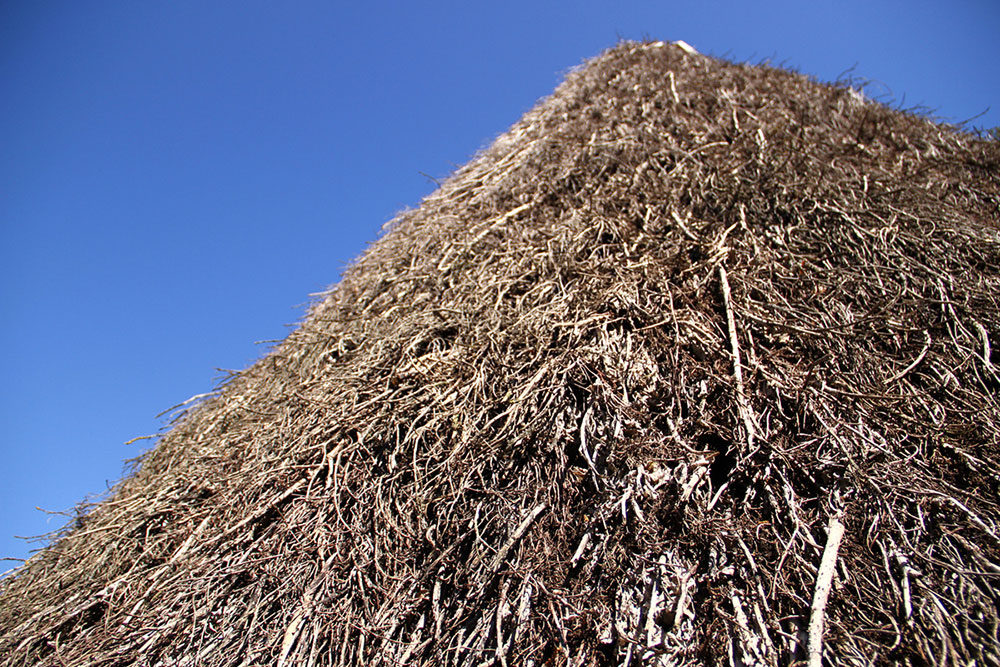
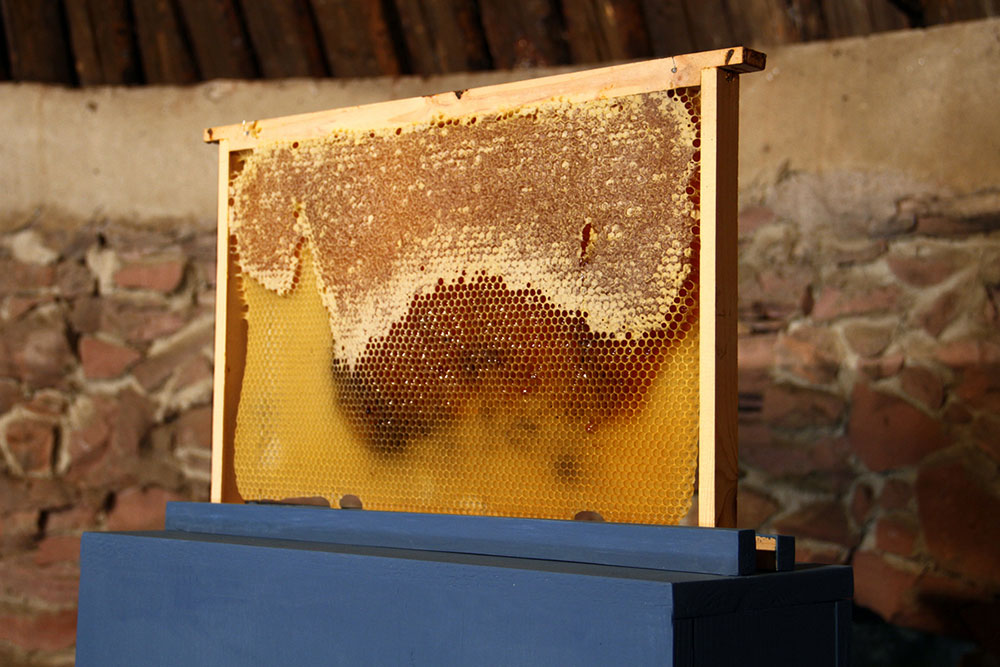
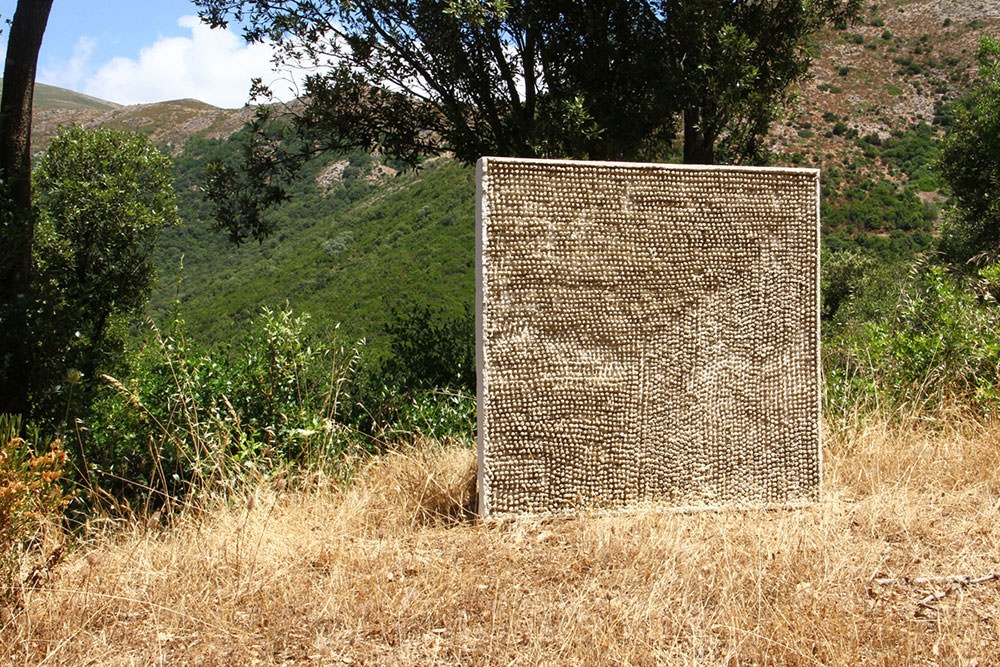
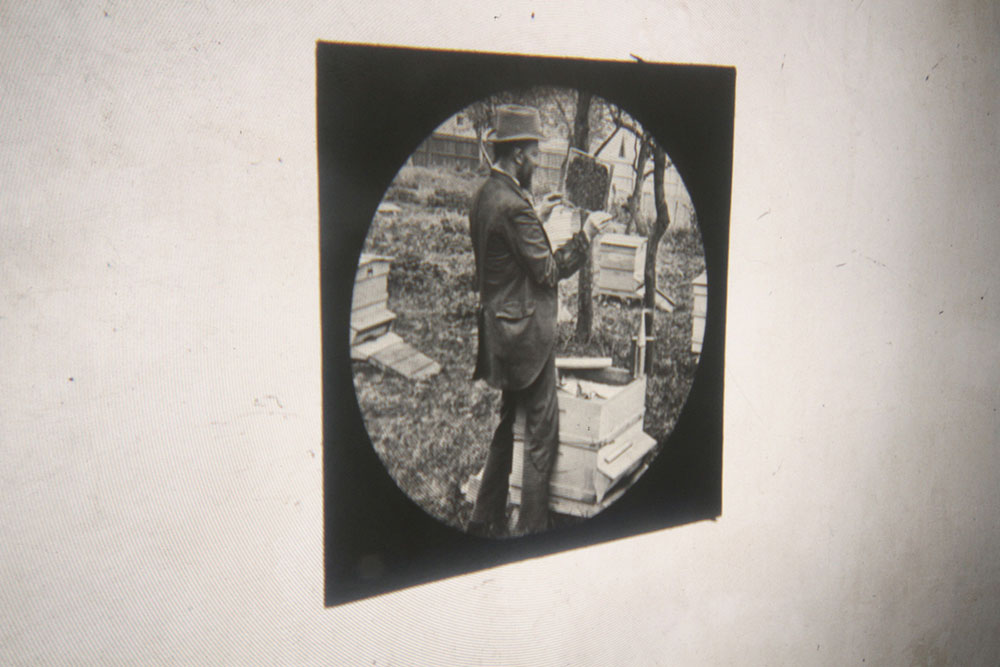
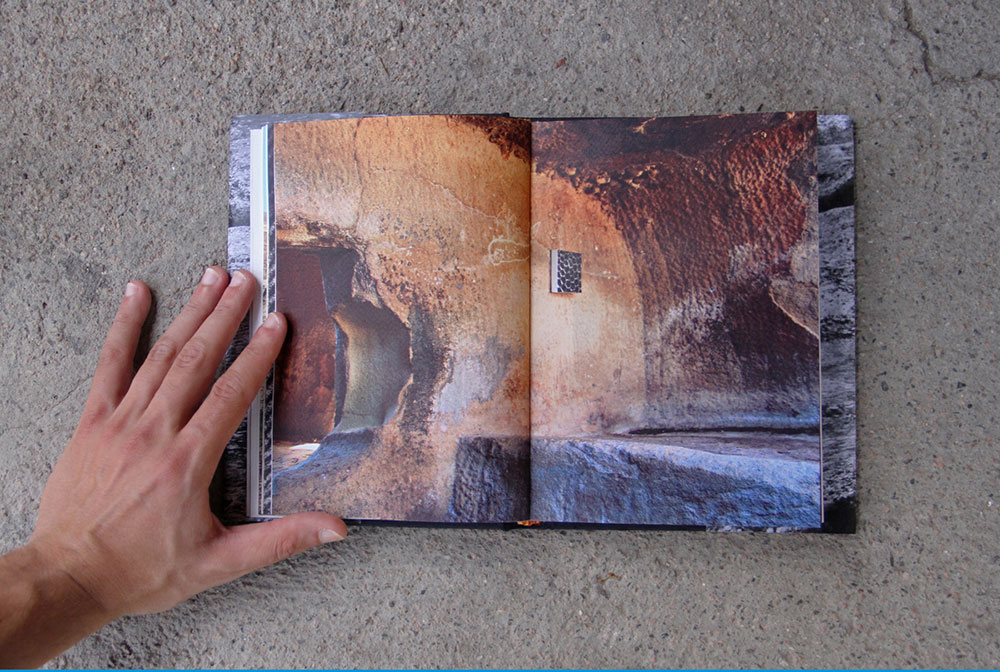
The negative refers to those spaces created by subtraction, in which the work exists as a surviving image beyond the span of history and thus beyond its social function. The positive refers instead to those spaces created by a social evolution that recognizes in the artistic object and in its expositive superstructure a link of symbolic and legitimating power. The relations between the dialectic categories of the sublime and the picturesque are seen as reflective filters on nature, and find their mirroring respectively in the denial of social composition, and in the composition of class for the picturesque.
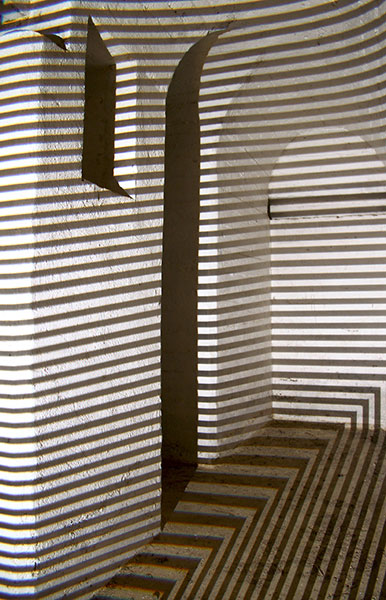
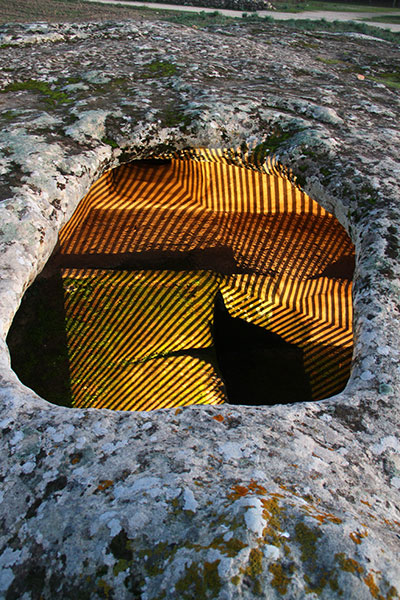
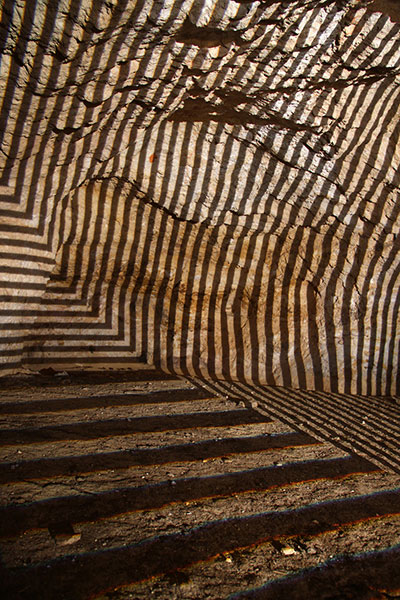
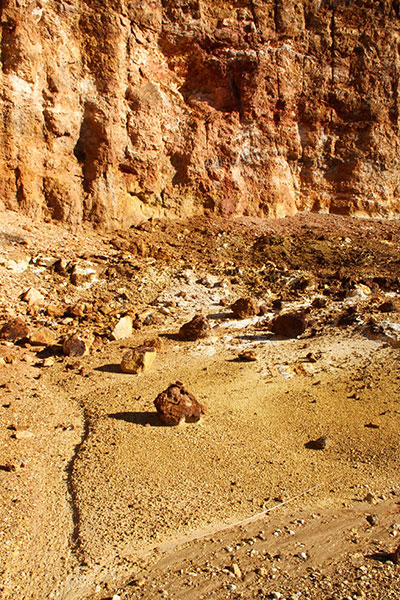
In regard to the photographic documentation of the project, OCCHIO RIFLESSO has been grounded in these points: The EYE (OCCHIO) exists as concrete, real work and exhibition, while the MIRROR (RIFLESSO) is constructed as a fictive double, which is nonetheless real in its photographic gaze on the scenic reality of the exhibition. Thus, photography is presented as a form of reproduction, not so much of the exhibited work, but of the scenic construction of the show in relation to its space: in this case it will always be a radically different space from the white-cube, but still presenting and enhancing the same modalities of presentation and representation. This photographic double, namely the documentation, becomes new material through which the work is legitimated and presented as “artistic” to the audience. This documentation will be then produced according to the aesthetics of promotion of the alleged artistic work and will be infinitely reproducible through the web and printed reproductions. The MIRROR (RIFLESSO), due to its technical nature, is subject to an endless reproducibility of its existence of eternally different copy. Thus each presentation will generate new documentations that will be reproducible ad infinitum